
Local vs Long-Distance Moves: What Actually Changes
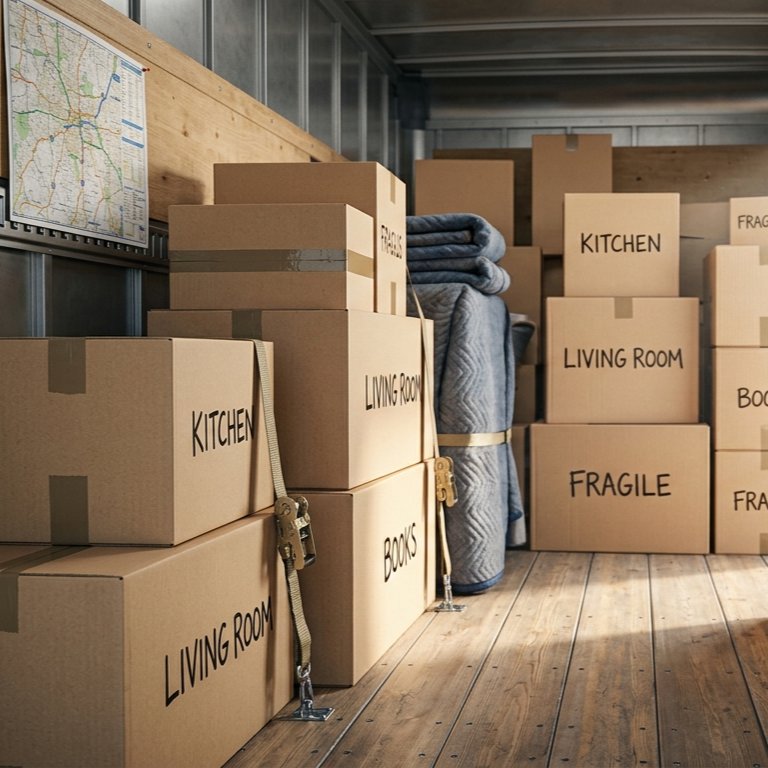
Quick Answer: A local move is short-haul — usually within the same metro area — and is typically straightforward: load, drive, unload, often in a single day. A long-distance move covers a much greater distance, which changes almost everything: more planning lead time, different pricing based largely on distance and weight rather than hours, longer transit times, more rigorous packing for the road, and tighter coordination of timing at both ends. The belongings are the same, but the logistics, schedule, and preparation scale up significantly the farther you go.
Moving across town and moving across the state might both be called "moving," but the day-to-day reality of each is quite different. A local move can be a load-drive-unload affair wrapped up before dinner. A long-distance move is a logistics project with lead times, transit days, and coordination that a short hop never requires. Understanding what changes as the distance increases helps you plan the right approach for the move you are making, rather than being surprised by the differences.
Distance Changes the Whole Equation
The core difference is obvious — one move is short, and one is long — but distance ripples out into nearly every part of the process. A short move forgives a lot: forget a box, and you can run back; misjudge the timing, and you've lost an hour. A long move forgives little, because once the truck is loaded and, on the highway, going back isn't an option, and the schedule is locked in. So as distance increases, planning, packing, pricing, and timing all become more demanding and less flexible. The belongings don't change; the logistics around them do.
Planning and Lead Time
A local move can often be arranged on relatively short notice and pulled off in a single day with modest planning. A long-distance move needs more runway — booking further ahead, mapping out the route and timing, arranging the logistics at both ends, and sequencing everything so the truck, the people, and the new home all line up. There's simply more to coordinate when the two ends are far apart, and less room to improvise if something slips.
How Pricing Tends to Work
One of the bigger practical differences is how moves are typically priced. Local moves are commonly billed based on time — the hours the crew works and the size of the job. Long-distance moves are usually priced more based on distance and the weight or volume of your belongings, since the truck is traveling far and carrying your load the whole way. This is why decluttering before a long move matters even more than before a local one: with weight as a factor, every item you don't move can affect the cost.
| Factor | Local Move | Long-Distance Move |
|---|---|---|
| Distance | Within the metro/short haul | Long haul, often across regions |
| Typical timing | Often a single day | Multiple days, including transit |
| Pricing basis | Usually hours and job size | Largely distance and weight/volume |
| Planning lead time | Shorter | Longer, booked further ahead |
| Packing demands | Standard | More rigorous for the long road |
| Flexibility | High — easy to adjust | Lower — schedule locked once rolling |
Timing and Transit
On a local move, your belongings go straight from the old place to the new one, usually the same day, so there's little gap. On a long-distance move, transit takes time — the truck has to cover the distance — so there can be a span of days between when your things leave and when they arrive. That changes how you plan: you'll need your essentials with you for the gap, and you'll coordinate arrival timing so someone's ready to receive the load at the destination. The longer transit also means your belongings spend more time on the road, which raises the stakes on how well they're packed.
Packing and Protection
Everything packed for a long-distance move has to survive far more — more miles, more handling, more time, more vibration on the highway. That means more careful, more thorough packing than a short cross-town trip might require, with sturdier boxes and better padding for fragile items. On a local move, a lightly packed box might make the short trip fine; on a long haul, that same box has hours of road to endure. A lightly packed box that survives a short local trip may not hold up over a long-distance haul, where every mile adds vibration and handling. The greater distance simply demands more protection, which is why long-distance packing tends to use sturdier boxes, more padding, and more deliberate loading than a quick cross-town move.
For any long-distance move, pack a separate bag with everything you'll need during the transit gap — clothes, toiletries, medications, chargers, and documents — and keep it with you. Because your belongings may take days to arrive, you don't want your essentials traveling on the truck.
Frequently Asked Questions
Generally, a local move stays within the same metro area or a short radius, while a long-distance move covers a much greater distance, often across regions. The exact line varies, but the practical distinction is whether the move is a short, same-day haul or a longer trip requiring transit time and more coordination. The greater the distance, the more the planning and logistics scale up.
Local moves are typically billed based on time and job size — essentially the hours of work involved. Long-distance moves are usually priced more based on distance and the weight or volume of your belongings, because the truck travels far and carries your load the whole way. That weight factor is why trimming down what you move can matter more financially on a long-distance move.
Usually, yes. A local move often goes from old home to new home the same day, while a long-distance move includes transit time for the truck to cover the distance, which can mean a gap of days between pickup and delivery. Planning for that gap — keeping essentials with you and coordinating arrival — is an important part of a long move that a local one rarely requires.
Yes. Belongings on a long haul endure more miles, more handling, and more time on the road, so they need more thorough packing — sturdier boxes and better padding, especially for fragile items. A lightly packed box that survives a short local trip may not hold up over a long-distance haul. The extra distance simply demands more protection.
It's especially worthwhile. Because long-distance pricing often factors in weight or volume, every item you don't move can affect the cost, on top of the usual benefit of having less to pack and unpack. Decluttering helps with any move, but the weight factor makes it particularly valuable before a long haul. Move only what you truly want in the new home.
Plan for the Distance You're Actually Moving
Local and long-distance moves share the same goal but play by different rules. A local move is often a flexible, same-day load-and-unload; a long-distance move is a coordinated project with more lead time, distance-and-weight pricing, transit days, and more rigorous packing. The farther you go, the less room there is to improvise. The extra coordination a long move requires isn't a reason to dread it; it just means the planning has to start earlier and account for the transit gap, the route, and the timing at both ends. Knowing which kind of move you're making — and planning to its demands — is what keeps either one running smoothly. A local move rewards quick, flexible execution, while a long-distance move rewards careful preparation done well ahead of the truck's arrival.
Planning a local or long-distance move? — Get a free estimate and experienced movers who handle both with care. Timeless Moving LLC serves Katy, Cypress, Sugar Land. Call (346) 489-5383.
